1. Product Overview
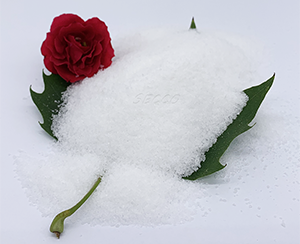
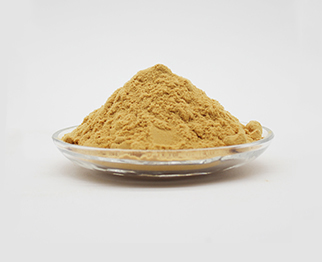
Polyaluminum Chloride (PAC) is a new-type inorganic polymer coagulant with the general chemical formula [Al₂(OH)ₙCl₆₋ₙ]ₘ. It is a water-soluble inorganic polymer compound positioned between AlCl₃ and Al(OH)₃. As a widely used coagulant in the water treatment industry, PAC plays a significant role in sludge dewatering conditioning.
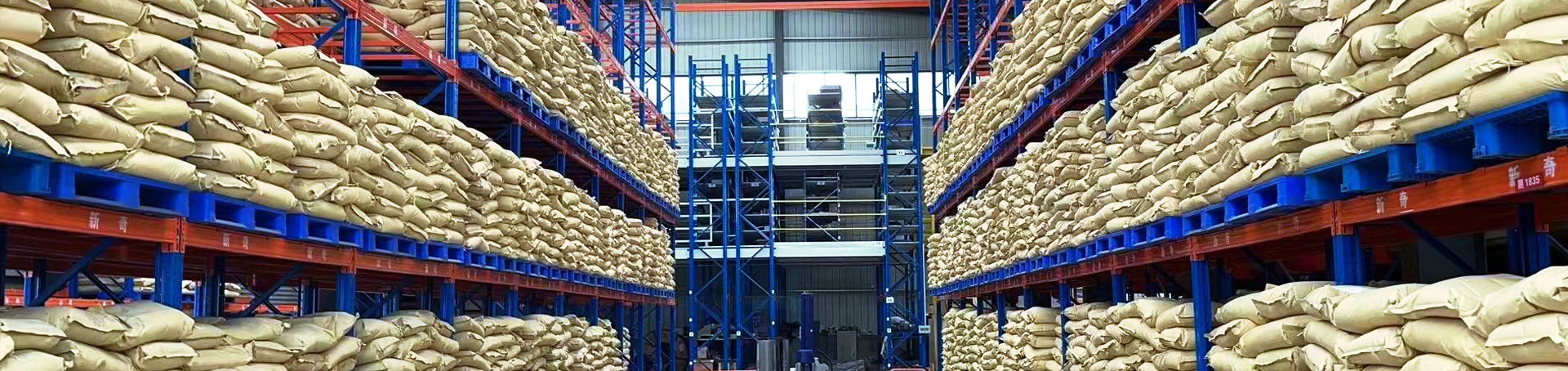
Henan SECCO Environmental Protection Technology Co., Ltd. is a provincial-level innovative SME specializing in the R&D, production, and sales of water treatment chemicals, including polyacrylamide and polyaluminum chloride. Located in the Water Treatment Materials Emergency Industrial Park in Gongyi City, Henan Province, the company possesses comprehensive production and R&D capabilities, committed to providing high-quality PAC products and professional technical services.
2. Mechanism of PAC in Sludge Dewatering
PAC improves sludge dewatering through the following mechanisms:
1. Charge Neutralization: Sludge particles typically carry negative surface charges, creating a stable colloidal system through mutual repulsion. PAC hydrolyzes in water to produce positively charged aluminum ions and polynuclear hydroxy-aluminum complexes, which effectively neutralize the negative charges on sludge particle surfaces, reducing zeta potential and enabling particle aggregation into larger flocs.
2. Adsorption Bridging: As a polymer, PAC’s molecular chains contain active groups that can adsorb multiple sludge particles, connecting fine particles into larger floc aggregates through “bridging” effects, accelerating sludge settling and thickening.
3. Self-Skeletonization: Recent studies reveal that inorganic coagulants not only perform traditional charge neutralization and flocculation during sludge conditioning but also form micro-scale “skeleton-like” networks through in-situ hydrolysis during the early stage of filter cake formation. This structure increases pore coordination numbers by 80%, raises effective porosity by two orders of magnitude, improves absolute permeability by 3.5–4.4 times, and reduces compressibility coefficient by 63%–69%. PAC conditioning can reduce sludge cake moisture content to 63.92%.
Research also shows that 8% PAC pretreatment combined with dialysis dehydration can reduce residual moisture content to 36.2%, with sludge porosity reaching as low as 0.29.
3. Core Advantages of PAC for Sludge Dewatering
1. Minimal Impact on Effluent pH: Compared to traditional aluminum salts (such as aluminum sulfate), PAC hydrolysis is milder and does not cause significant pH reduction in the effluent.
2. Low Dosage and Low Sludge Production: PAC has high active ingredient content, requiring relatively low dosage while producing less chemical sludge, reducing subsequent disposal costs.
3. High Turbidity Removal Efficiency: PAC exhibits excellent coagulation performance, effectively removing suspended solids and colloidal substances, improving supernatant quality.
4. High Floc Strength and Pressure Resistance: PAC forms dense, high-strength flocs particularly suitable for high-pressure dewatering equipment such as vacuum filters and plate-and-frame filter presses.
5. Wide pH Application Range: PAC maintains good coagulation performance across a broad pH range, with optimal performance at pH 5–7.
6. Compatibility with Other Chemicals: PAC can be used in combination with organic polymer flocculants such as polyacrylamide (PAM) for synergistic effects.
4. Selection Guide for PAC
(A) Selection Based on Sludge Characteristics
Different sludge sources have varying physicochemical properties. Consider the following factors:
1. Sludge Type
Municipal WWTP Excess Activated Sludge: High organic content and strong colloidal stability—recommend PAC combined with cationic PAM (CPAM). Studies show that sequential addition of PAC followed by CPAM at optimal concentrations of 4% and 0.1% achieves minimum sludge specific resistance of 1.47×10⁸ s²/g, with filtered moisture content reduced to 70.9%.
Industrial Wastewater Sludge: Select appropriate PAC specifications based on wastewater characteristics. For example, papermaking sludge can be treated with 10% Al₂O₃ PAC combined with CPAM.
Water Treatment Plant Sludge: PAC effectively improves thickening and dewatering performance.
2. Organic Content of Sludge
High organic content: Select PAC with higher basicity, combined with cationic organic polymers.
Predominantly inorganic sludge: Standard PAC products are suitable.
3. Sludge pH
PAC performs best at pH 5–7. If sludge pH deviates from this range, consider pre-adjusting pH or selecting alternative conditioners.
(B) Selection Based on Dewatering Equipment
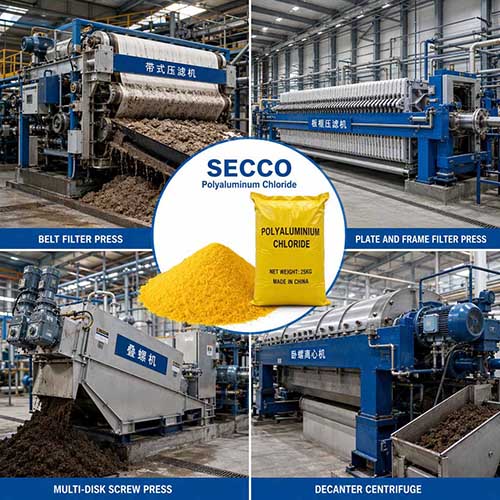
1. Plate-and-Frame Filter Press / Vacuum Filter
Recommended: PAC (alone or combined with PAM)
Reason: PAC forms high-strength, pressure-resistant flocs suitable for high-pressure filtration
Dosage reference: 1%–3% of sludge dry solids weight
2. Belt Filter Press / Centrifuge
Recommended: PAC combined with PAM
Reason: PAC first destabilizes the colloidal system, then PAM provides bridging flocculation, forming large flocs for easy separation
(C) Selection Based on PAC Product Specifications
1. By Al₂O₃ Content
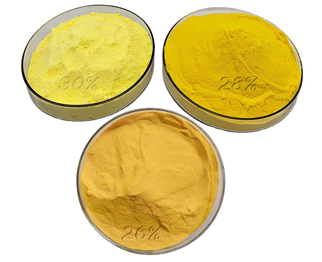
Industrial grade PAC: 18%–26% Al₂O₃, suitable for general industrial wastewater sludge treatment
High-content PAC: ≥28% Al₂O₃, for applications requiring superior performance
2. By Physical Form
Solid PAC: Easy to transport and store; requires dissolution before use; recommended dilution ratio 2%–20%
Liquid PAC: Convenient to use but higher transportation costs
3. By Basicity
Basicity is a key indicator of PAC’s polymerization degree. Higher basicity means higher polymerization degree and stronger charge neutralization and bridging capabilities. Select appropriate basicity based on sludge characteristics.
(D) Optimization of Dosing Parameters
1. Dosage
PAC dosage has no fixed standard and should be determined through testing. General reference range: 1%–3% of sludge dry solids weight. Studies indicate optimal PAC conditioning parameters: dosage 25 mL (6% concentration), pH 7 (unadjusted), rapid mixing speed 130 rpm. Jar tests are recommended to determine optimal dosage.
2. Preparation Concentration
For aluminum-based conditioners, 4%–5% concentration is optimal.
3. Dosing Sequence
When combining inorganic and organic conditioners, add inorganic conditioner (PAC) first, then organic conditioner (PAM)
Adding PAC first neutralizes particle charges and destabilizes the colloidal system, creating favorable conditions for subsequent PAM bridging flocculation
4. Mixing Conditions
Appropriate mixing parameters are crucial for conditioning effectiveness. Studies show optimal PAC conditioning with rapid mixing at 130 rpm and slow mixing at 50 rpm. For combined use, two-stage mixing can be employed: first stage at 500 r/min (0.5 min), second stage at 150 r/min (10 min).
5. Conditioning Time
Conditioned sludge should be sent to the dewatering equipment promptly; longer holding times reduce conditioning effectiveness.
5. Recommended Selection Process
Step 1: Sludge Characterization
Determine sludge moisture content, pH, organic content, specific resistance to filtration, and other basic parameters
Understand sludge source and treatment process
Step 2: Laboratory Testing
Conduct jar tests with different PAC specifications
Determine optimal product type, dosage, and reaction conditions
Step 3: Pilot Testing
Conduct on-site pilot testing based on laboratory results
Verify dewatering performance, treatment costs, and operational feasibility
Step 4: Finalize Program
Determine final selection program based on pilot test results
Develop operating procedures and contingency plans
6. Key Precautions
Avoid Over-Mixing: Once flocs are formed after mixing sludge with conditioners, avoid vigorous re-mixing as broken flocs cannot be easily restored.
Temperature Considerations: Low temperatures slow inorganic conditioner hydrolysis; effectiveness may decrease below 10°C, requiring extended conditioning time.
Corrosion Protection: Although PAC is less corrosive than iron salts, appropriate corrosion protection measures should still be implemented for equipment and piping.
Regular Monitoring and Adjustment: Sludge characteristics may fluctuate with seasonal and water quality changes. Regular monitoring and timely dosage adjustments are recommended.
7. Conclusion
Polyaluminum chloride, as a highly efficient and cost-effective inorganic polymer coagulant, offers significant advantages in sludge dewatering treatment. Proper selection and rational dosing are key to maximizing PAC performance. Henan SECCO Environmental Protection Technology Co., Ltd., with years of R&D and production experience in water treatment chemicals, provides high-quality PAC products and professional technical support to customers.
For more product information or selection assistance, please contact Henan SECCO Environmental Protection Technology Co., Ltd.