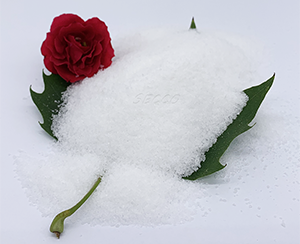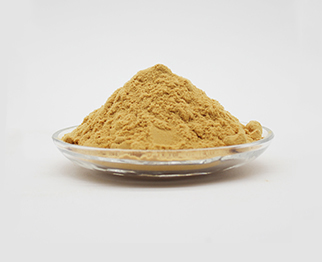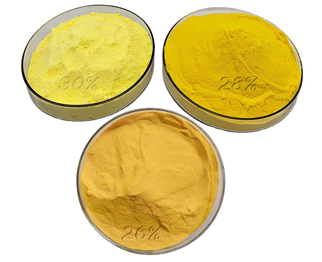
Henan Secco Environmental Protection Technology Co., Ltd. is a professional manufacturer and supplier of water treatment chemicals, specializing in polyacrylamide (cationic, anionic, non-ionic), polyaluminum chloride (PAC), and polyferric sulfate (PFS). To address the challenges of ceramic wastewater treatment, we offer proven chemical selection and process solutions to help customers achieve discharge compliance and water reuse.
Ceramic production generates large volumes of wastewater from raw material grinding, glaze preparation, polishing, and cleaning operations. Key characteristics include:
Extremely high suspended solids (SS), typically thousands to tens of thousands mg/L, mainly clay, quartz, feldspar, and other inorganic particles.
Negatively charged particle surfaces, causing mutual repulsion and very slow natural settling.
Neutral to slightly alkaline pH (7.5–8.5) and ambient temperature.
Low organic content, with COD generally low; the treatment focus is solid-liquid separation.
For the above characteristics, anionic polyacrylamide (APAM) is recommended for the coagulation‑sedimentation stage because:
Anionic PAM carries negatively charged groups that effectively neutralize positively charged colloidal particles (in practice, particles may carry effective positive charges due to adsorbed cations) and, through its long molecular chain, provides strong bridging action to rapidly aggregate inorganic particles into large, dense flocs.
Recommended parameters:
Molecular weight ≥ 16 million (higher MW for larger flocs)
Hydrolysis degree 20%–30%
Preparation concentration 0.1%–0.3% (dissolved in clean tap water)
For sludge dewatering, cationic polyacrylamide (CPAM) is recommended at a preparation concentration of 0.15%–0.25% for efficient filter press operation.
While PAM alone is effective, combined dosing with inorganic coagulant polyaluminum chloride (PAC) significantly improves performance and lowers total chemical costs. The synergistic mechanism:
PAC rapidly neutralizes negative charges on particles, compresses the electric double layer, and forms micro‑flocs.
PAM then bridges these micro‑flocs into larger, faster‑settling aggregates.
| Parameter | Value |
|---|---|
| PAC Dosage | 50–80 mg/L |
| PAM (APAM) Dosage | 5 mg/L |
| Mixing speed | 60–120 rpm |
| Flocculation time | 5–15 min |
| Sedimentation time | 30–60 min |
| PAM solution concentration | 0.1%–0.3% |
In practice, adjust dosages according to actual influent quality; it is strongly recommended to conduct jar tests to determine the optimal ratio.
Dissolution: PAM powder must be dissolved in clean tap water at temperatures between 5°C and 60°C. Sprinkle powder evenly onto the stirred water surface to avoid lump formation.
Mixing control: Stirring speed during dissolution should be maintained at 100–300 rpm; excessive shear can break polymer chains and reduce efficiency.
Dosing sequence: Add PAC first, then PAM. Rapid mix PAC for 1–3 min, then slow mix PAM for 5–15 min.
Storage: PAM solution should be used promptly; dry powder must be stored in a cool, dry place.
Sludge treatment: Sludge from the sedimentation tank should be conditioned with cationic PAM before dewatering in a filter press, achieving cake moisture content below 70%.
Under optimized conditions, ceramic wastewater treated with the PAC+PAM combination can achieve:
Effluent turbidity < 3 NTU (removal rate > 99%)
Suspended solids (SS) below detection limit
The clear effluent can be fully recycled for floor washing, equipment cooling, or raw material spraying, enabling near‑zero discharge, saving water resources, and reducing environmental compliance costs.
Polyacrylamide is an indispensable high‑performance flocculant for ceramic wastewater treatment. Correct product selection (anionic type for main stream), rational PAC co‑dosing, and standardized operation are the keys to effective and economical treatment. Henan Secco Environmental Protection Technology Co., Ltd. offers free jar‑test selection and on‑site technical guidance based on the specific wastewater characteristics of each ceramic plant. We welcome inquiries and collaboration opportunities.