Oily wastewater is one of the most challenging environmental issues in petroleum extraction, refining, machining, and other industrial sectors. Unlike free oil, which can be removed by simple gravity separation, emulsified oil exists as micron‑ or even nanometre‑sized droplets stably dispersed in the aqueous phase. These droplets carry negative surface charges and form a robust electric double layer, making them resistant to conventional physical treatments. The situation becomes even more complex in tertiary oil recovery, where large amounts of anionic polyacrylamide (HPAM) are injected as a flooding agent and remain in the produced water. This not only increases water viscosity significantly but also further stabilises the oil‑water emulsion, multiplying the difficulty of separation.
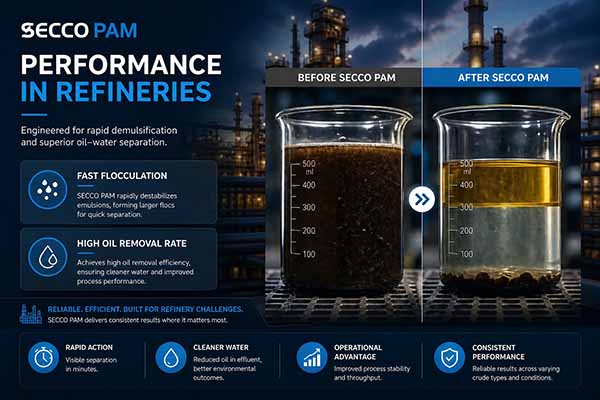
Faced with this challenge, polyacrylamide (PAM) has become an indispensable core agent in oily wastewater treatment, owing to its unique physicochemical properties.
1. Mechanism of Action: Destabilising the Oil‑Water System at the Molecular Level
The oil‑water separation function of PAM is built upon the synergistic action of multiple mechanisms.
First is charge neutralisation. Emulsified oil droplets in oily wastewater typically carry negative charges. Cationic polyacrylamide (CPAM), with its positive charges, effectively neutralises the negative charges on the droplet surfaces, compresses the electric double layer, and destabilises the emulsion, allowing droplets to coalesce. Molecular dynamics simulations have demonstrated that CPAM exhibits significantly better adsorption onto oil droplets than anionic or non‑ionic PAM.
Second is adsorption bridging. The long molecular chains of PAM act like “ropes” that can simultaneously adsorb multiple oil droplets and suspended particles, linking them together through bridging effects to form larger flocs. Studies show that when the molecular weight and dosage of PAM are kept within an optimal range, the flocculation effect far outweighs any negative impact from increased viscosity.
Third is hydrophobic interaction. Modified PAM bearing hydrophobic groups can interact strongly with oil molecules through hydrophobic forces, further enhancing adsorption onto oil droplets. Recent advances in hydrophobically modified nano‑cationic polyacrylamide have shown promising results, increasing the hydraulic diameter of flocs from approximately 7 μm to 16–25 μm, with a marked improvement in flocculation efficiency.
2. Precise Product Selection: Matching PAM Type to Wastewater Characteristics
Oily wastewater varies greatly in quality, so PAM selection must be tailored accordingly.
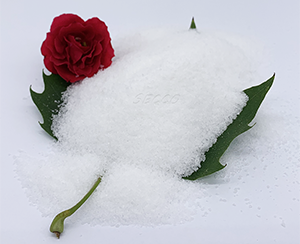
Cationic PAM (CPAM): Suitable for wastewater with high oil content, high organic load, and acidic to neutral pH. In addition to demulsification, it effectively adsorbs organic impurities and aids subsequent sludge dewatering. High‑cationic‑degree products (35%–50%) are specifically designed for difficult‑to‑treat industrial effluents with high oil, high organics, and abundant fine suspended colloids.
Anionic PAM (APAM): Applicable to wastewater with higher levels of inorganic suspended solids and alkaline pH, enhancing floc density and settling efficiency.
Non‑ionic PAM (NPAM): Often used in systems with complex water compositions and wide pH fluctuations.
For deeply emulsified produced water and refinery wastewater, a combined dosing scheme using both cationic and anionic PAM often yields superior results.
3. PAC + PAM Synergy: The Classic Combination That Multiplies Performance
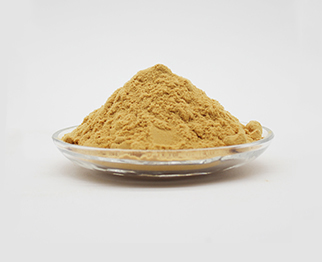
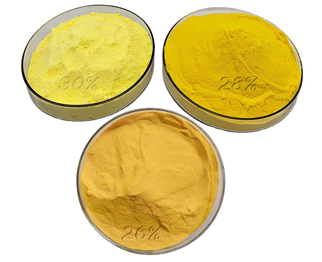
The combined use of polyaluminium chloride (PAC) and PAM is one of the most classic reagent combinations in oily wastewater treatment. PAC acts first as an inorganic coagulant, compressing the electric double layer and neutralising charges to cause initial destabilisation of colloidal particles and oil droplets. Subsequently, PAM is added as an organic flocculant to bridge the destabilised fine particles and oil droplets into large, settleable flocs.
Research has shown that when treating fine‑emulsified high‑concentration oily wastewater (average oil droplet size ~440 nm, COD up to 9600 mg/L), a sequential dosage of 150 mg/L PAC under rapid mixing followed by 3 mg/L PAM under slow mixing achieves removal rates of 84.5% for oil, 57% for COD, and 96.1% for turbidity. In dissolved air flotation processes, a combination of 45 mg/L PAC and 2 mg/L PAM has also been proven highly effective. The best synergistic performance is observed in the pH range of 6–8.
4. Industry Frontiers: From Traditional Flocculation to Functional Modification
Research on polyacrylamide in oily wastewater treatment continues to advance. Nanocellulose‑modified cationic polyacrylamide emulsions have demonstrated excellent performance in offshore oilfield produced water, achieving an oil removal rate of 96.8% at a dosage of just 4 mg/L. Hydrophobic nano‑silica‑modified CPAM composites can reach flocculation efficiencies of approximately 99% under optimal ratios. In addition, the combined use of natural tannin and cationic PAM has achieved over 90% oil removal in saline produced water, with floc formation times of less than 20 seconds.
5. Henan Secco: A Professional Provider of Flocculant Solutions
Henan Secco Environmental Technology Co., Ltd., located in the National Water Treatment Agent Industrial Cluster Zone of Gongyi City, Henan Province, is one of the earliest enterprises engaged in the development, production, and sale of water treatment flocculants. With a registered capital of RMB 10 million, the company specialises in manufacturing a full range of polyacrylamide (cationic, anionic, non‑ionic) as well as polyaluminium chloride, polyaluminium ferric chloride, polyferric sulphate, and other water treatment chemicals.
The company’s products are widely used in municipal wastewater treatment and in industries such as papermaking, metallurgy, mineral processing, oilfields, chemicals, textile printing and dyeing, pharmaceuticals, leather, and food, serving customers across more than 20 provinces and municipalities in China. Henan Secco not only supplies high‑quality flocculant products but also provides complete flocculation solutions tailored to different application scenarios.
Oil‑water separation in oily wastewater treatment is a technically demanding and highly specialised engineering task. Choosing the right flocculant type, optimising the dosing process, and achieving precise reagent matching are key to ensuring treatment effectiveness. Henan Secco Environmental Technology Co., Ltd. remains committed to offering professional flocculant products and technical services, helping industrial clients overcome the challenges of oily wastewater treatment and achieve green, sustainable development.