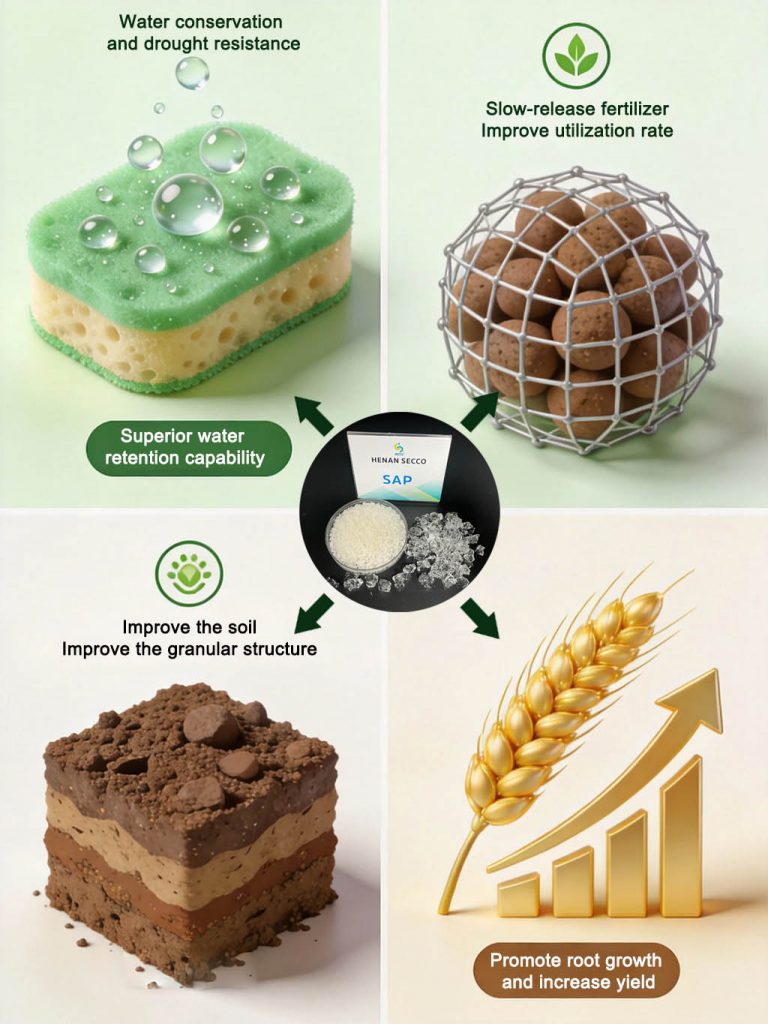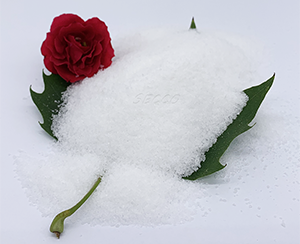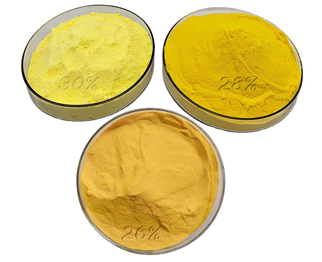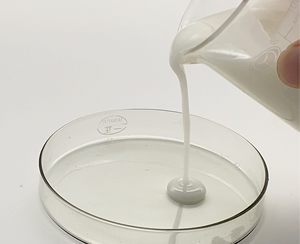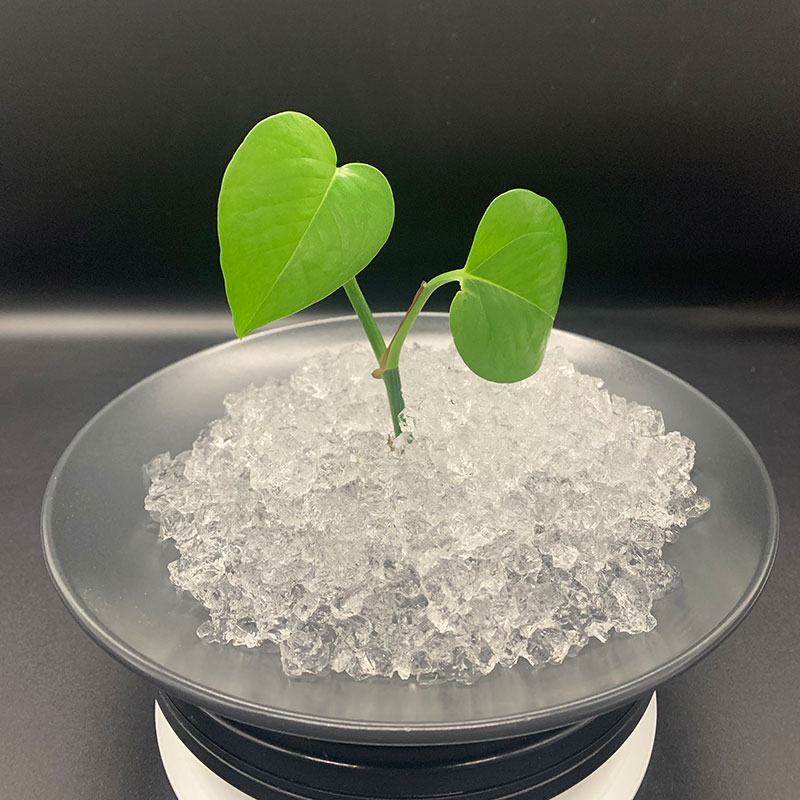
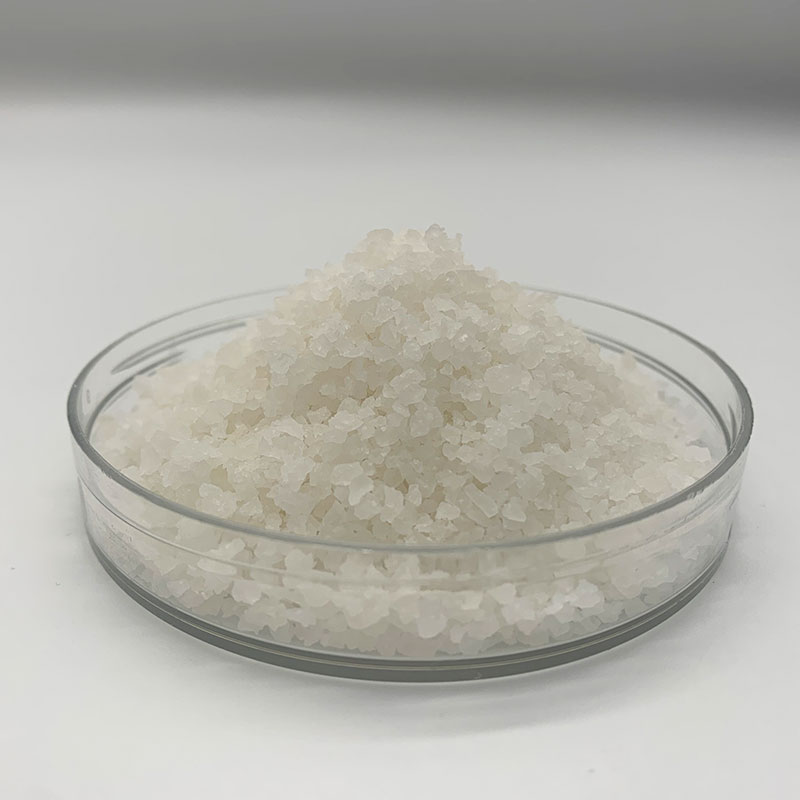
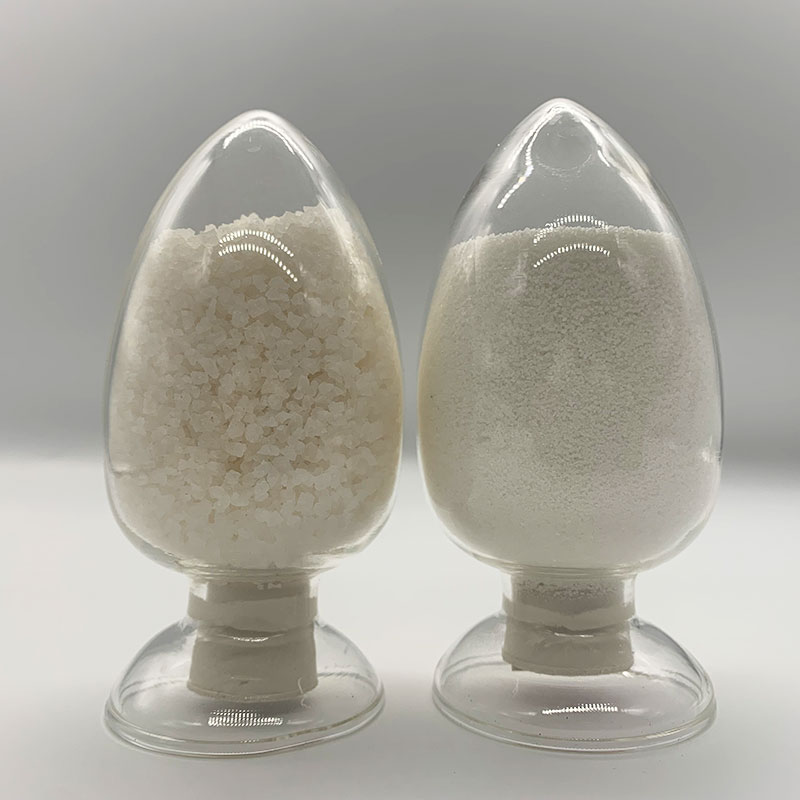
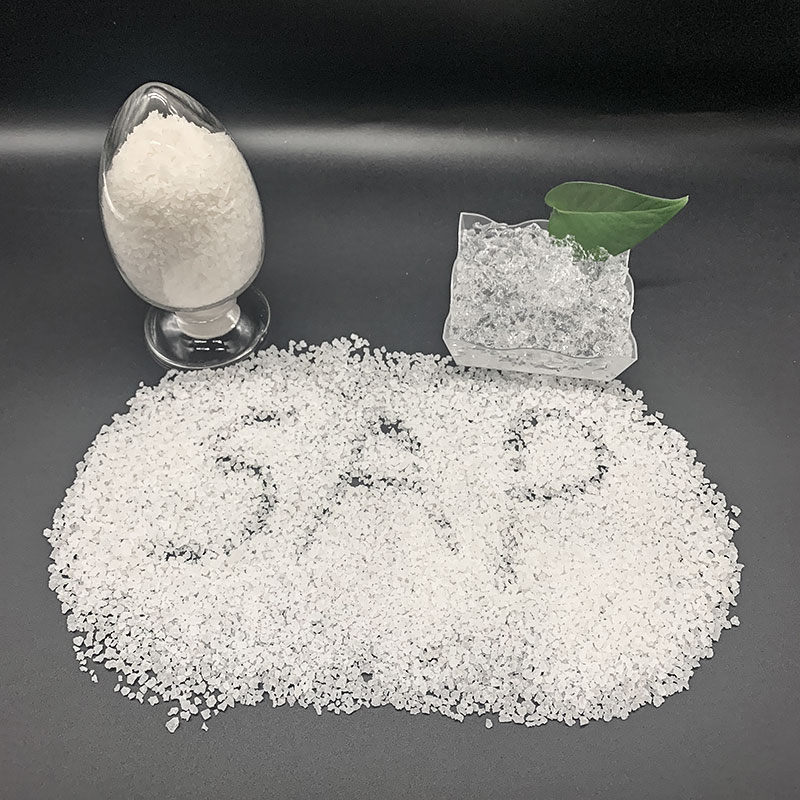
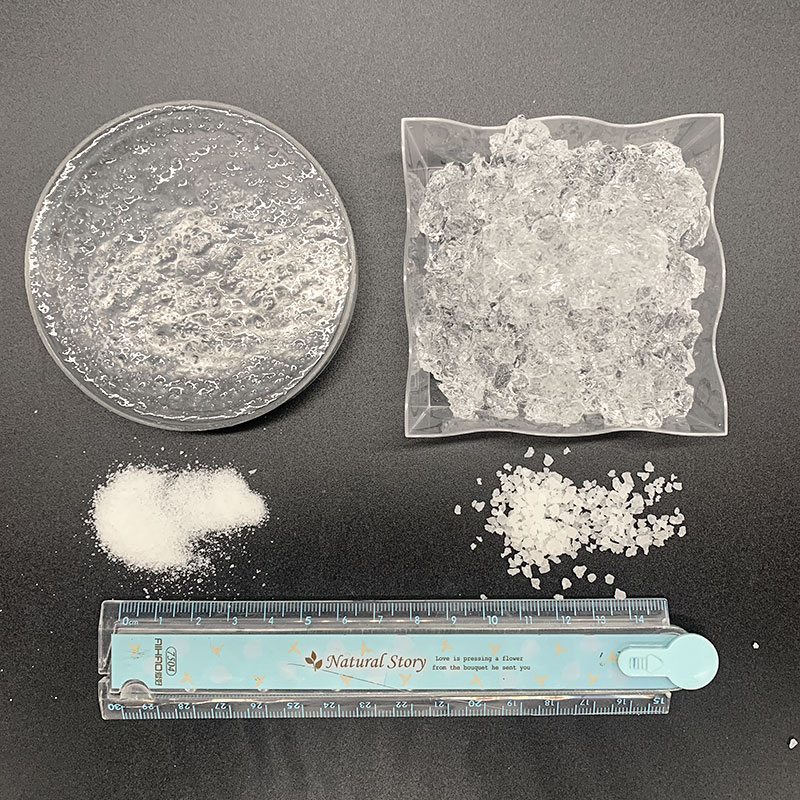

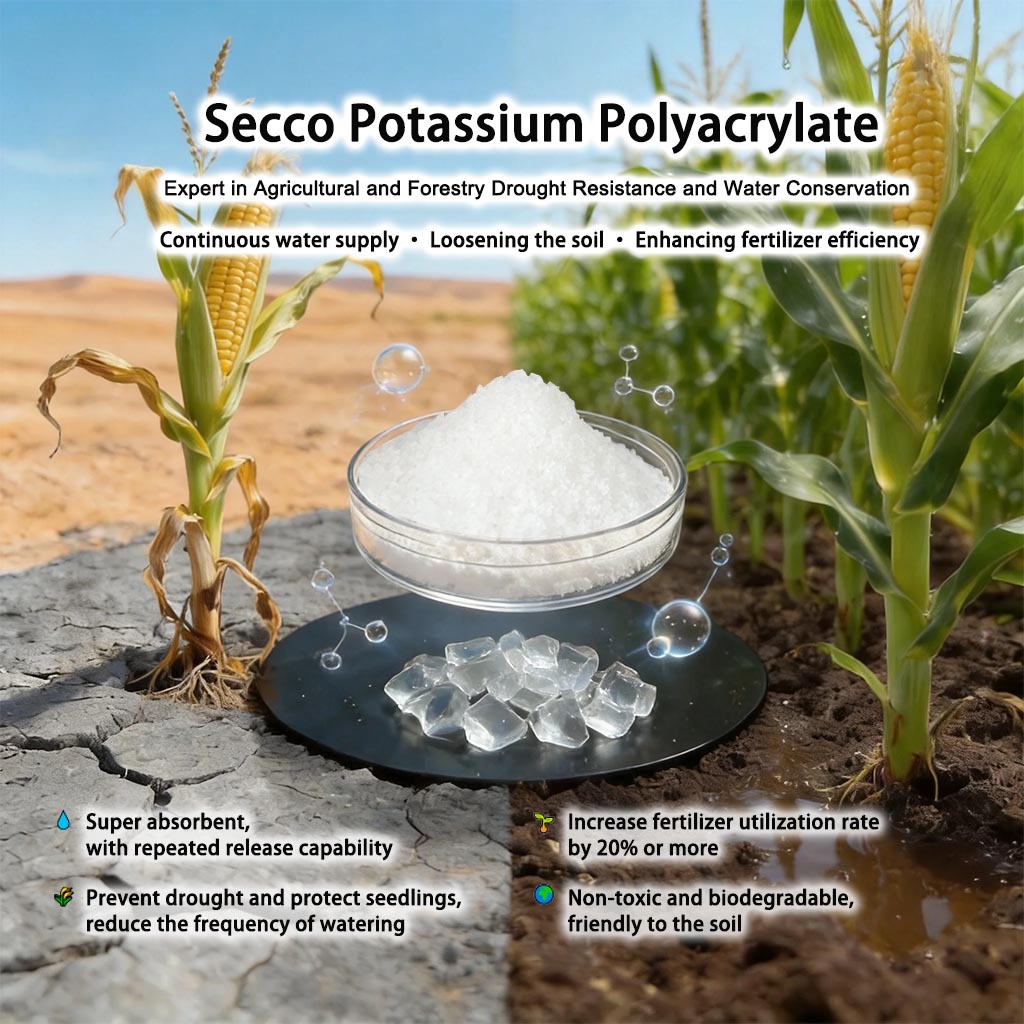
Secco Potassium Polyacrylate is a highly absorbent polymer material. Its molecular chain contains a large number of hydrophilic groups, which can absorb hundreds of times its own weight of water, forming a gel-like "storage reservoir". When the soil is dry, it slowly releases water for the roots to absorb; at the same time, it can adsorb nutrients such as ammonium, potassium, and phosphorus, reducing leaching loss and achieving synergistic enhancement of water and fertilizer. This product is in the form of a potassium salt and can provide additional potassium supplementation, which has a positive effect on improving crop quality.
|
Dry matter: |
≥94% |
|
Apparent density: |
0.85 |
|
Specific weight: |
1.10g/cm3 |
|
PH: |
6.0-7.5 |
|
Appearance of the product: |
Dry =white powder / Hydrated =transparent gel |
|
Particle size: |
Powders, micro granules, granules |
|
Maximum absorption: |
≥350 in deionized water |
|
Available water at PF4. 2(near-permanent wilting point): |
95% |
|
Effectiveness In soil: |
3-5 years |
|
Toxicity in soil: |
None under normal conditions of use |
|
Packaging: |
25kg per kraft bag or up to customer 's Packaging request |
|
storage temperature: |
0°-35°C |
|
Shelf life of the dry product: |
2 years |
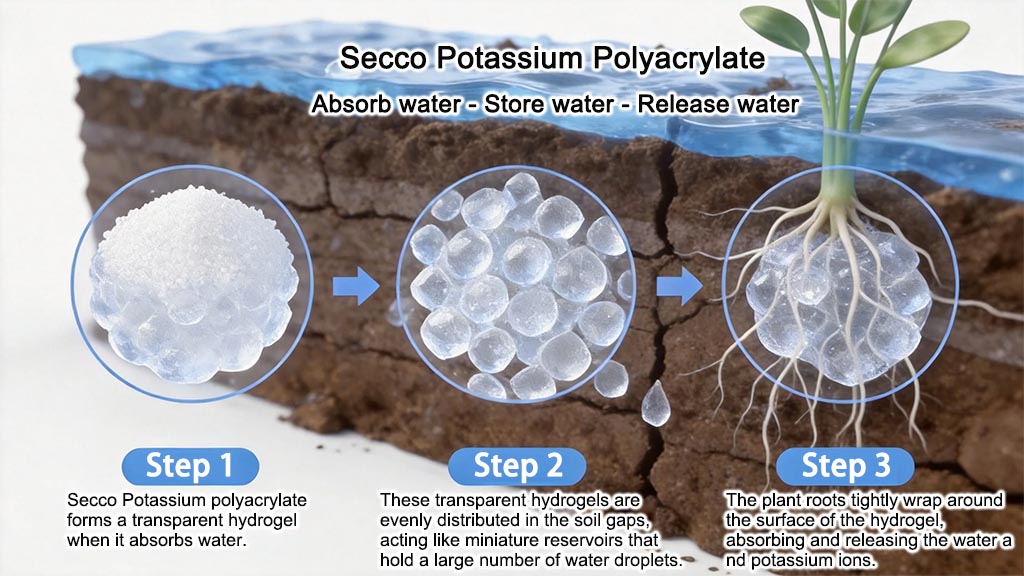
1)Water save up to 90%,incease production by 25%-40%(Reduce the frequency of irrigation)
2)Good water-absorbing ability (300-1500 times of desalted water)
3)PH value is about 6.0-8.0. Prevent soil salinization and alkalization.
4)Promote the growth of the root system and make the root system flourish more
5)The product is abundant in potassic salt and ferric salt, and is nutrient to the soil.
6)Harmless to humans and nature. Non-toxic. 100% biodegradable. Suitable for cultivation of agriculture.
7)Increase output & profits obviously. It can save the fertilizer and pesticide.Improve the usage rate of the fertilizer and pesticide.
How ite works
General principle:
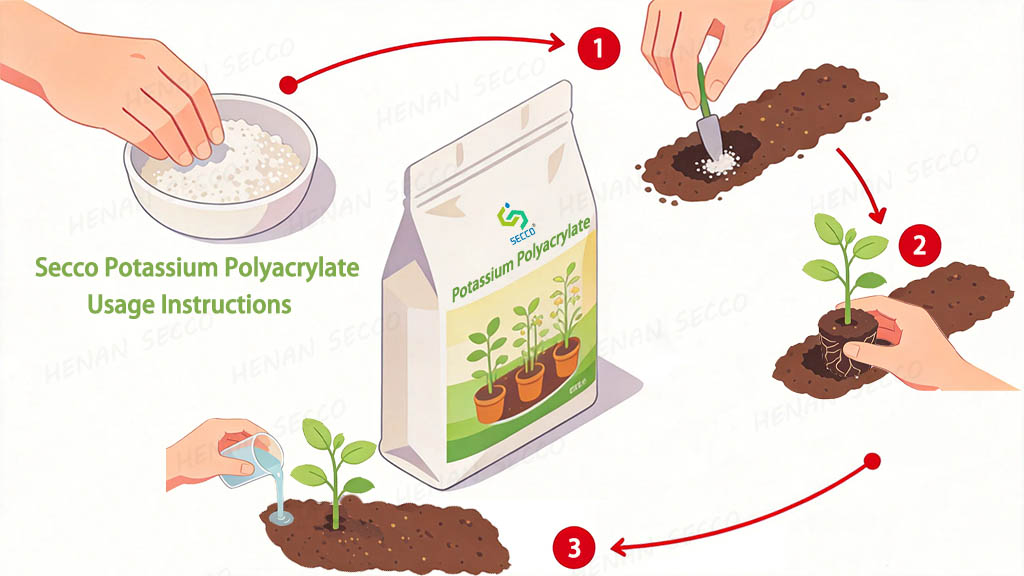
The dosage should be adjusted according to soil texture, crop type, and rainfall. Generally, it is recommended to use 3-5 grams per hole/plant, or 1-3 kilograms per acre.
It is recommended to mix with fine soil or fertilizer before application and avoid direct exposure to the surface.
Specific application methods (four categories):
Dusting (field crops)
Mix the dry powder with water at a ratio of 1:200-300 to form a gel-like liquid. Mix evenly with the seeds, let them dry in the shade, and then sow.
Dosage: 3-5 grams per kilogram of seeds.
Broadcast/Planting hole application (fruits, vegetables, field crops)
Mix the dry powder with 10-20 times the amount of fine dry soil. Apply it into the sowing furrow or planting hole, cover with 2-3 cm of soil, and then water.
Dosage: 1-2 kilograms per acre for field crops; 10-20 grams per plant for fruits (depending on tree age).
Root dipping (transplanting of seedlings, vegetables)
Mix the dry powder into a 0.5%-1% viscous gel solution. Dip the roots and then transplant immediately, water thoroughly.
Dosage: 0.5-1 kilogram per thousand seedlings.
Mixed substrate (potted plants, seedling cultivation, lawns)
Mix the dry powder with 0.2%-0.5% of the substrate volume. Water thoroughly before planting.
For example: Add 2-5 grams of dry powder per liter of substrate.
Important notes:
Avoid applying in hot and windy weather to prevent rapid evaporation of water.
It is recommended to use in combination with organic fertilizers and chemical fertilizers for better results.
Store in a cool and dry place to prevent moisture absorption and caking.
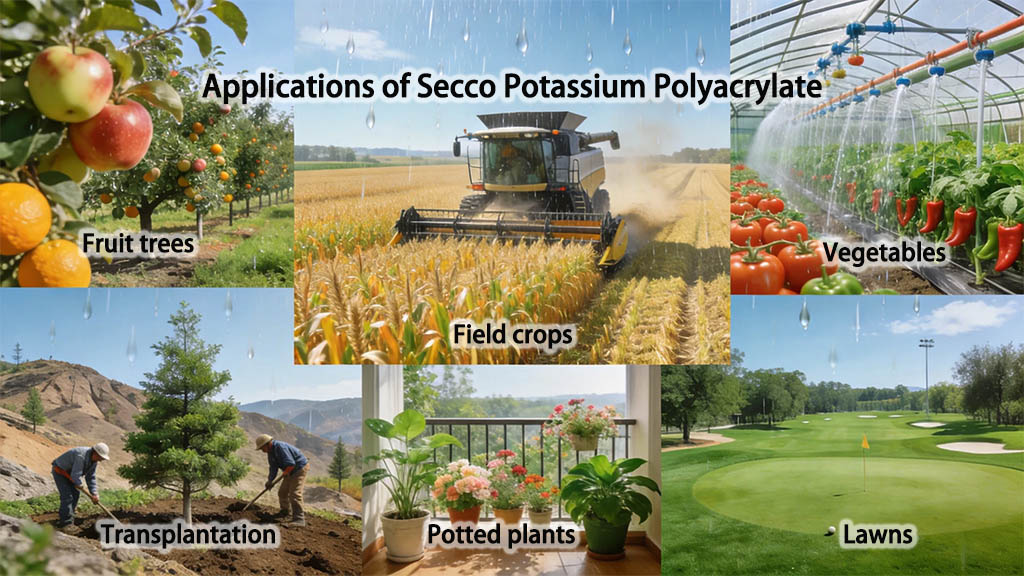
1. Field crops (corn, wheat, rice, etc.) - Seed dressing, base application, top dressing, drought resistance for seedling protection, and increase in emergence rate
2. Fruit trees (apples, citrus, grapes, kiwifruit, etc.) - Applied in furrows or holes at the root zone, alleviating seasonal drought, and increasing fruit sugar content
3. Vegetables and economic crops (tomatoes, peppers, cotton, tobacco, etc.) - Transplant dipping roots, planting hole application, promoting recovery, and reducing plant death
4. Forestry greening (seedling transplantation, road greening, barren mountain afforestation) - Dipping roots or mixing soil, increasing transplant survival rate (up to 90% or more)
5. Horticultural flowers (potted, lawn, flower beds) - Mixed into the substrate, reducing watering frequency, and maintaining bright flower color
6. Hydroponics and seedling cultivation - As a water retention additive for the substrate, used in combination with nutrient solutions