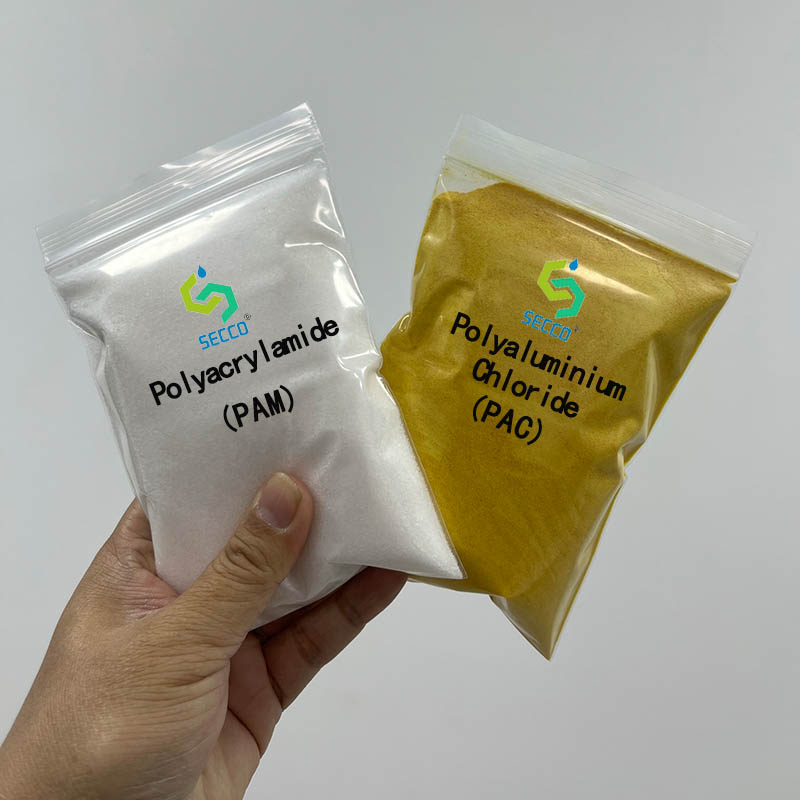
The use of polyaluminium chloride (PAC)
Determine the dosage: Firstly, it is necessary to determine the optimal dosage for your wastewater based on experiments. Generally, the dosage of PAC ranges from a few milligrams to several tens of milligrams per liter of wastewater.
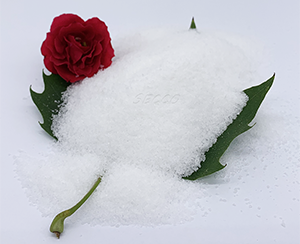
2. Solution preparation: Dissolve the solid PAC in water to prepare a solution of a certain concentration (e.g. 5%-10%). Ensure thorough stirring to facilitate the dissolution.
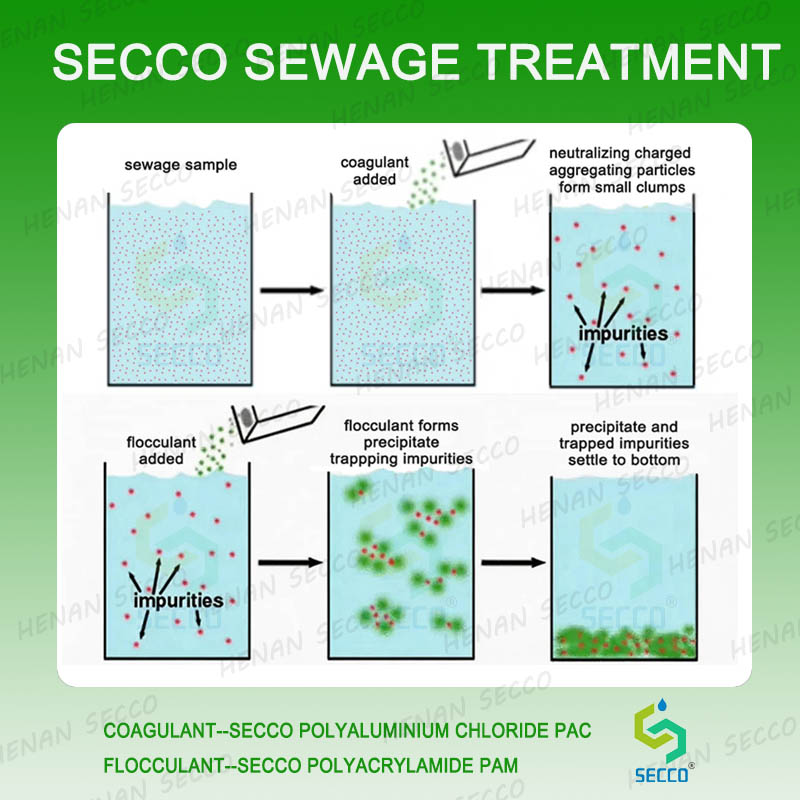
3. Add PAC solution: Slowly pour the prepared PAC solution into the wastewater and stir it rapidly at the same time. This will enable the PAC to be evenly dispersed throughout the water body, which is beneficial for the formation of fine floccules.
4. Mixing and Reaction: After adding PAC, continue to stir for a period of time (usually several minutes) to allow the chemical agent sufficient time to react with the pollutants in the wastewater.
The use of polyacrylamide (PAM)
1. Selection of type: Choose the appropriate type of PAM based on the nature of the wastewater (cationic type, anionic type, or nonionic type). For dyeing wastewater, it is generally recommended to use cationic PAM.
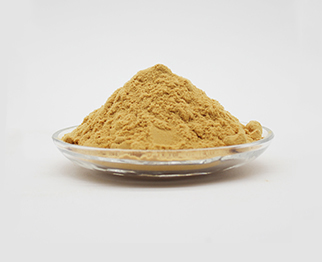
2. Dilution of PAM: Since the effective component content of PAM is relatively high, using it directly does not yield satisfactory results. Therefore, it needs to be diluted to a lower concentration (usually around 0.1% – 0.5%). Be careful not to overmix to avoid disrupting the long-chain structure of PAM.
3. Add PAM solution: After the wastewater has undergone PAC treatment and undergone initial sedimentation, slowly add the PAM solution and gently stir it. This helps combine smaller particles into larger flocculent masses, facilitating sedimentation.
4. Sedimentation and Separation: After adding PAM, let the mixed liquid stand for a period of time so that the larger flocs formed can settle to the bottom. Then, these precipitates can be removed through filtration, air flotation, or other solid-liquid separation techniques.

Notes for Attention
During the operation, appropriate personal protective equipment such as gloves and goggles should be worn, as these chemicals may cause irritation to the skin and eyes.
The operation should be carried out in a well-ventilated environment to avoid inhaling dust or vapors.
It is necessary to regularly check and adjust the pH value, as the effects of PAC and PAM may be affected by the pH of the wastewater.
The above is the basic operation guide. When applying it, adjustments should be made according to the actual situation. It is recommended to carry out wastewater treatment operations under the guidance of professionals.
For more information on sewage flocculation and sedimentation, please send an inquiry to us at Henan Secco!